So you’re headed to a new lake in the Colorado high country, huh? Sounds like a great idea. A little footwork to get to some out-of-the-way places can open up a lot of possibilities, cooler weather, and less pressured fish! But how do you approach a lake you’ve never been to before?
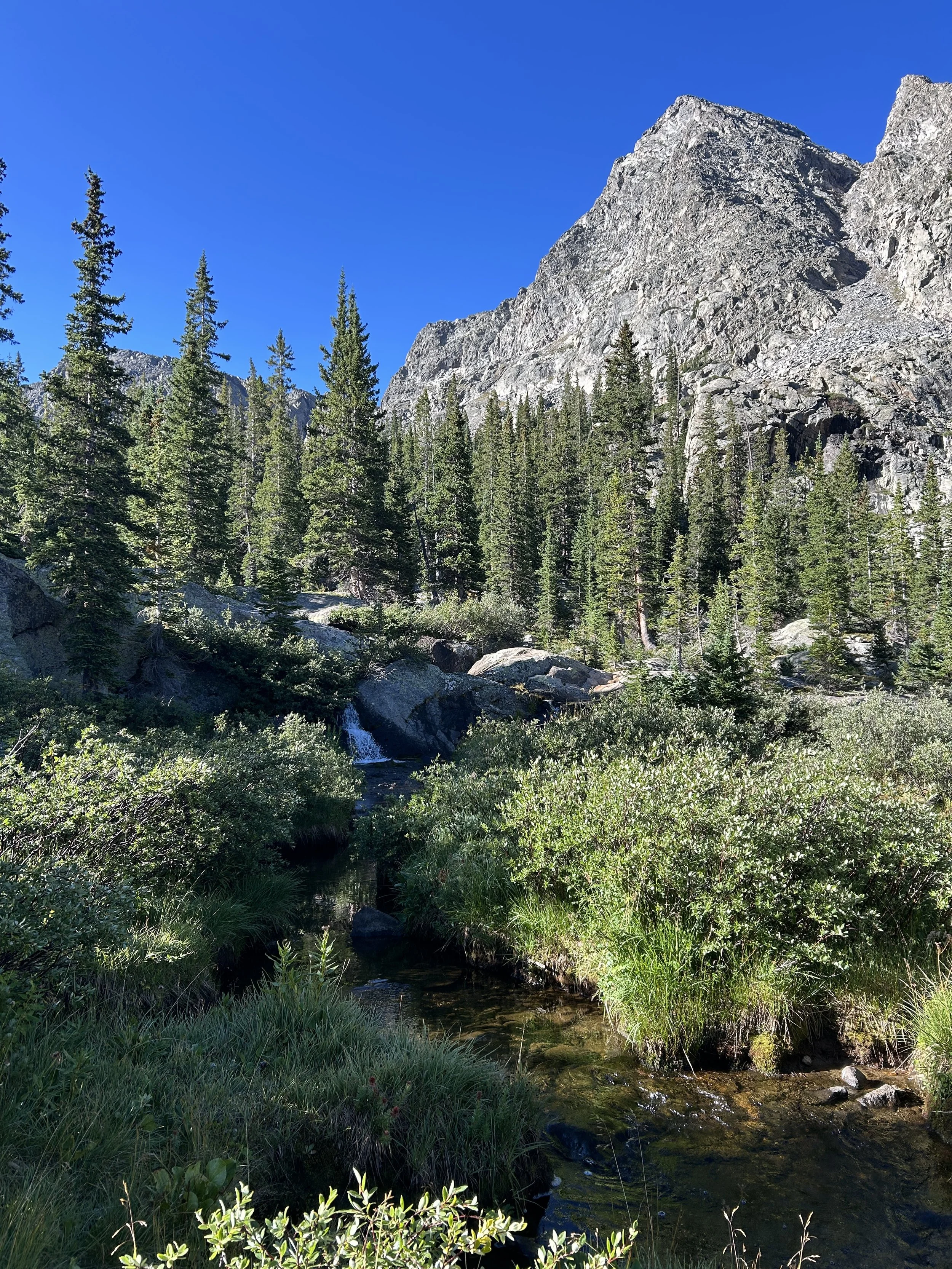
The high country provides incredible scenery and a way out of the punishing heat of the valleys!
Here’s my step-by-step process for breaking down a new (to me) lake in the high country during the summer months.
Step 1: As with everything else, plan and prepare. Do the online footwork. Chat up the fly shop employees. Check the weather. Know the moon phase. Download the offline maps. Pack a rain jacket. And a headlamp. And water. And snacks. You don't get extra points for being uncomfortable, so don't let that be the reason you don't find success!
If you're going into the backcountry, make sure your people know where you are and when to worry if you aren't back. Our friends in search and rescue units are busy enough without coming to find you, so plan your fish and fish your plan!
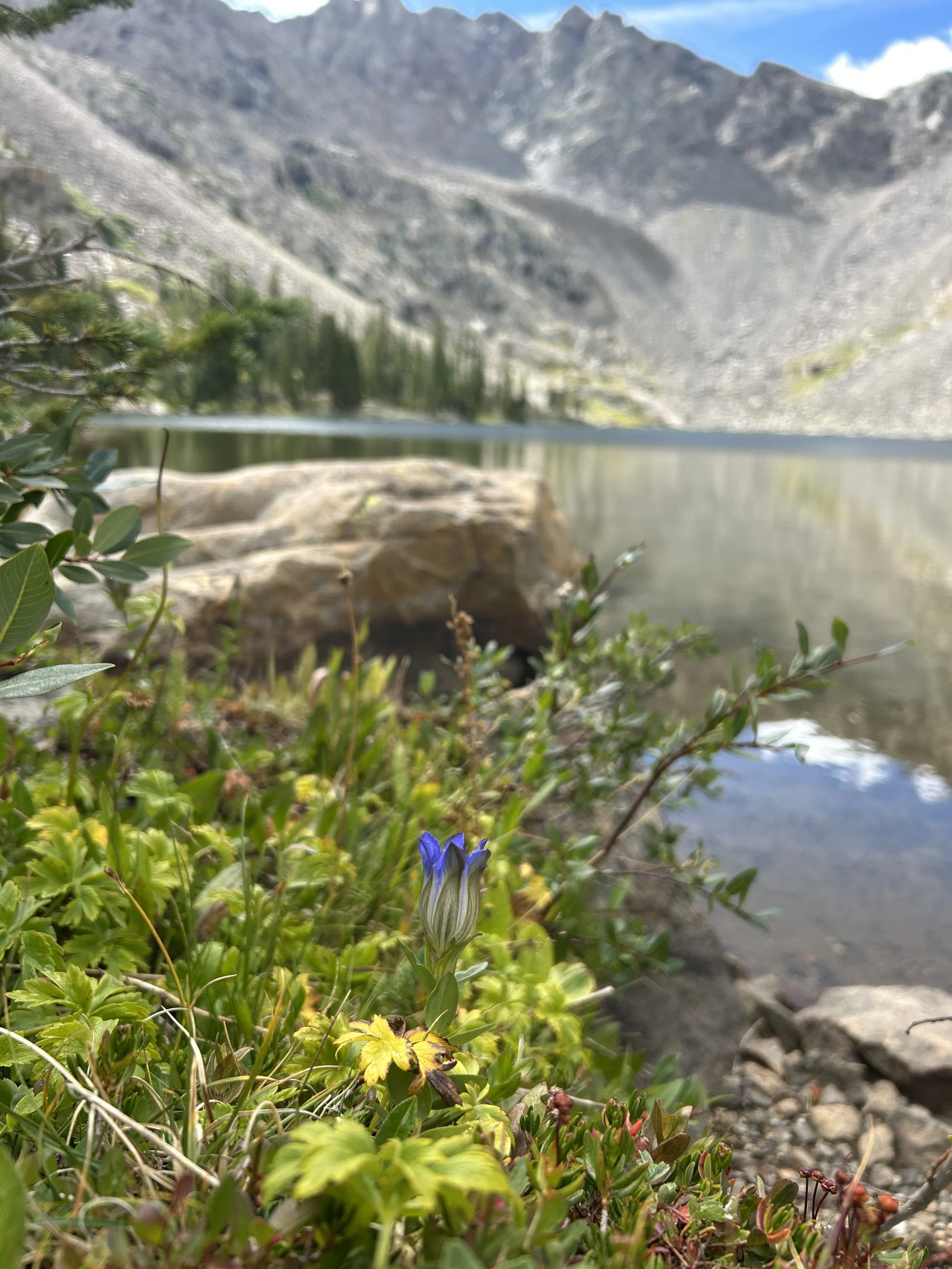
Don’t forget to stop and smell the flowers!
Step 2: Think like a fish. Where is food going to be concentrated and/or structure present? In rivers, it’s the riffles. In lakes, the inlets compress food vertically in the water column, requiring less effort to find and consume. They also bring in fresh water, higher in nutrients and dissolved oxygen. Y’know, fishy stuff!
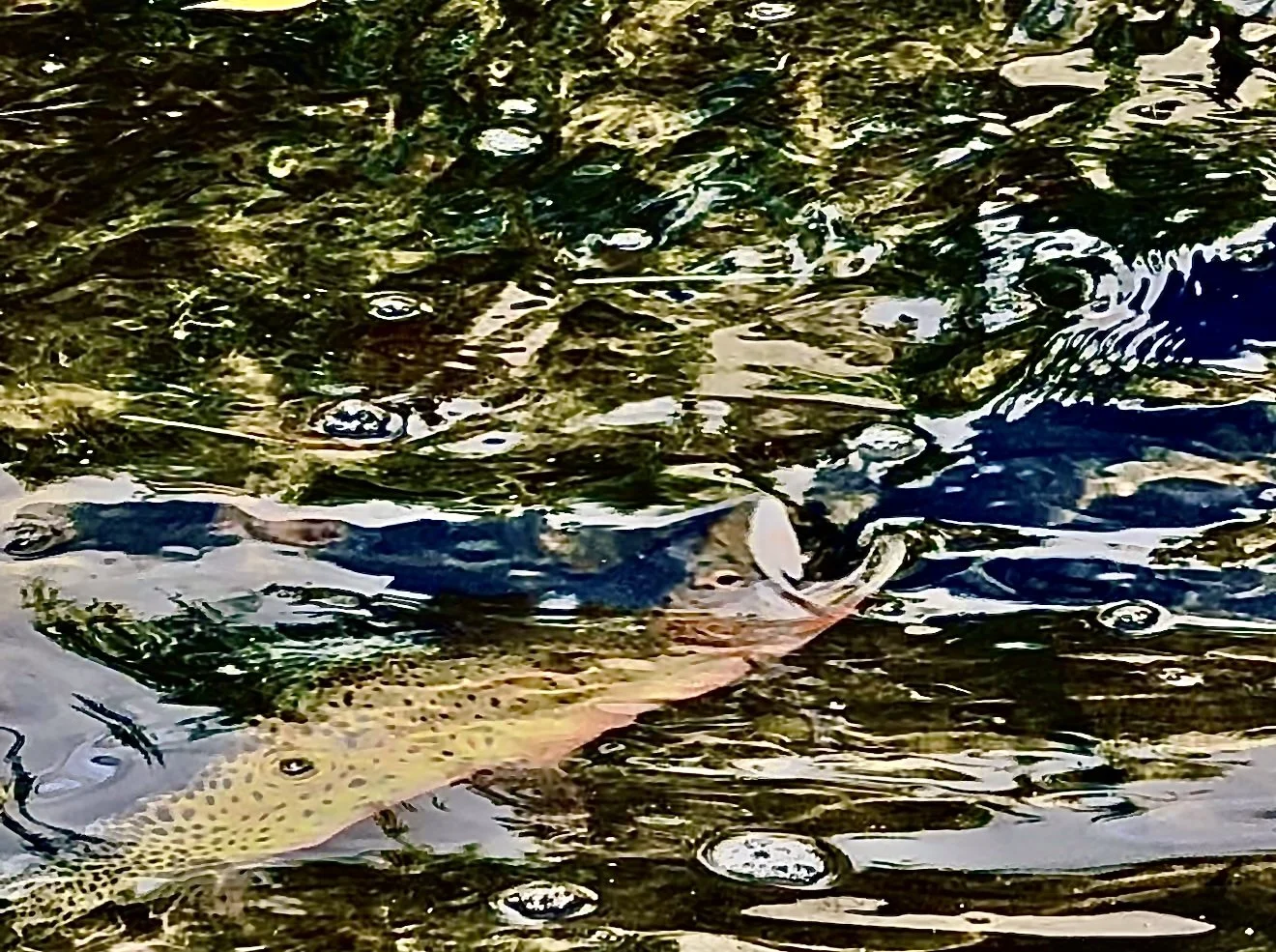
A cutthroat trout works a small seam in a high-mountain lake at the inlet, eating impossibly small insects from the surface. She took a size 14 Purple Haze immediately after this and was returned, where she promptly resumed her feeding position and started chowing down again!
Start working the inlet(s) first if you don't have a clear indication to do otherwise (like cruising or rising fish elsewhere). Once you’ve worked the inlet, look for structure. If there are downed trees, boulders, rock piles, or other safe places in the water to hide, fish won't be far away. Remember, you're a predator, so your shadow, your footfalls, your profile on the bank -- they're all working against you if you let them!
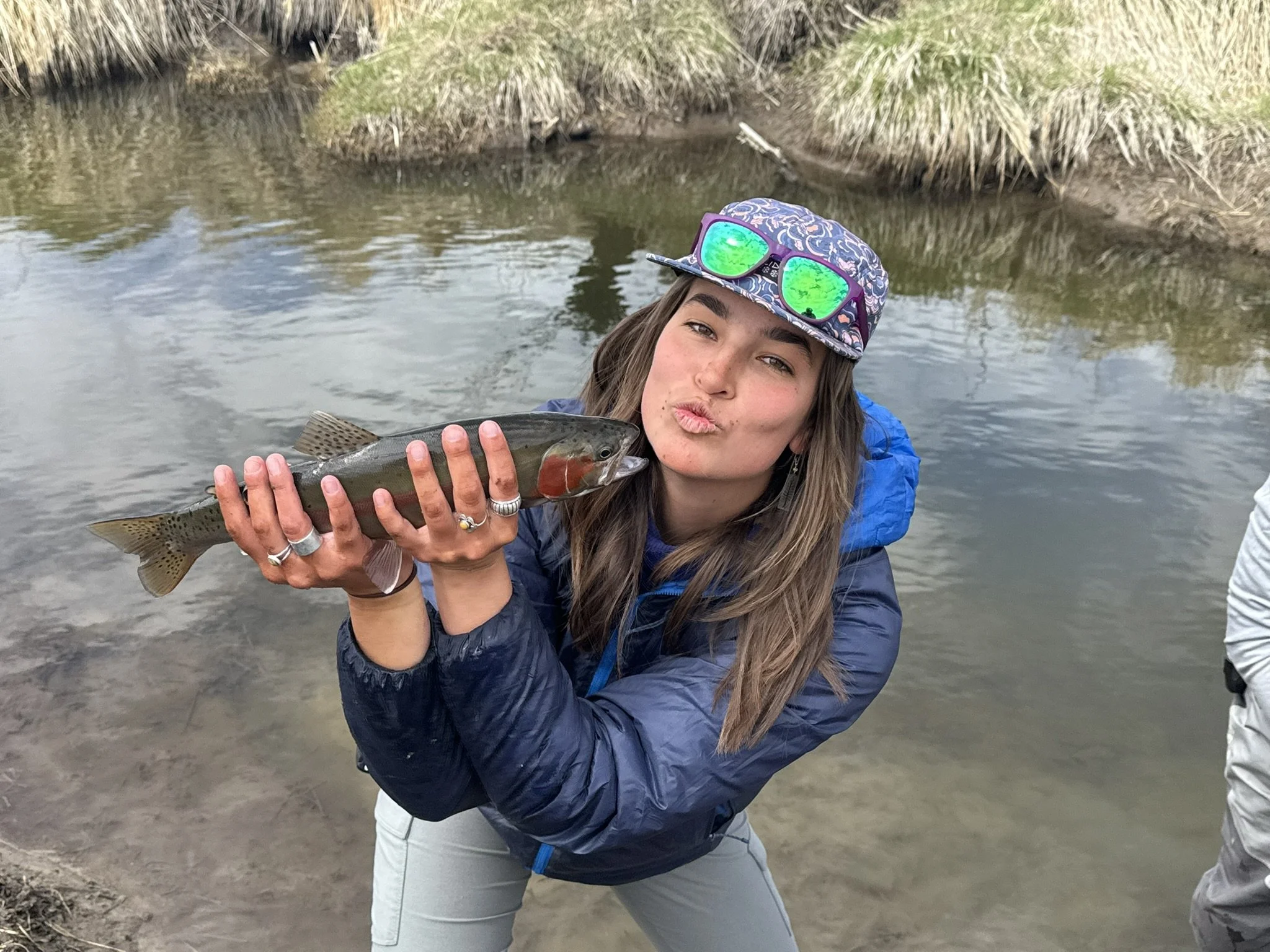
Look before you cast! Sight fishing and getting sneaky is a great way to hone your skills and catch more fish — and practicing is FREE!
Step 3: Work near to far and make intentional casts. In other words, don't spook the big cruising cutthroat right at your feet you never even looked for while you’re making a bad cast at some other fish rising just out of range anyway. Think like a hunter. You may only get one shot, so make it a good one?
A wide open body of water can be intimidating in the choices it presents, but an intentional attitude, looking for fish before you start casting, and breaking the lake into manageable sections just like you would on any other body of water are keys to success!
Break the lake up into manageable chunks and look before you leap! Fish from the shore out, and always expect the dry fly eat — if your bugs are in the water, odds are they’re being looked at, so leave them there and be ready.
Step 4: Let the fish tell you what they want. This means you’ve gotta be listening. During the summer months, I always start with a dry/dropper setup until the fish give me a reason to commit to one or the other. A chubby chernobyl with a black hothead leech about an arm's length away is my go-to starting rig if I don't have evidence they're feeding on anything in particular. Give each fly selection a good, long soak before you change it out. These fish are looking for reasons NOT to eat, so don't give them any by making three casts when one will do. Be patient, but not stubborn. If you’re listening, the fish will let you know what to do.

While they aren’t all off the beaten path, the lakes and reservoirs of the Grand Mesa are great places to apply these tips!
Obviously, the very best way to get to know a lake or area is to go with someone who is already familiar! I’d love to help make you a stillwater Jedi, so let’s get out on the water today!